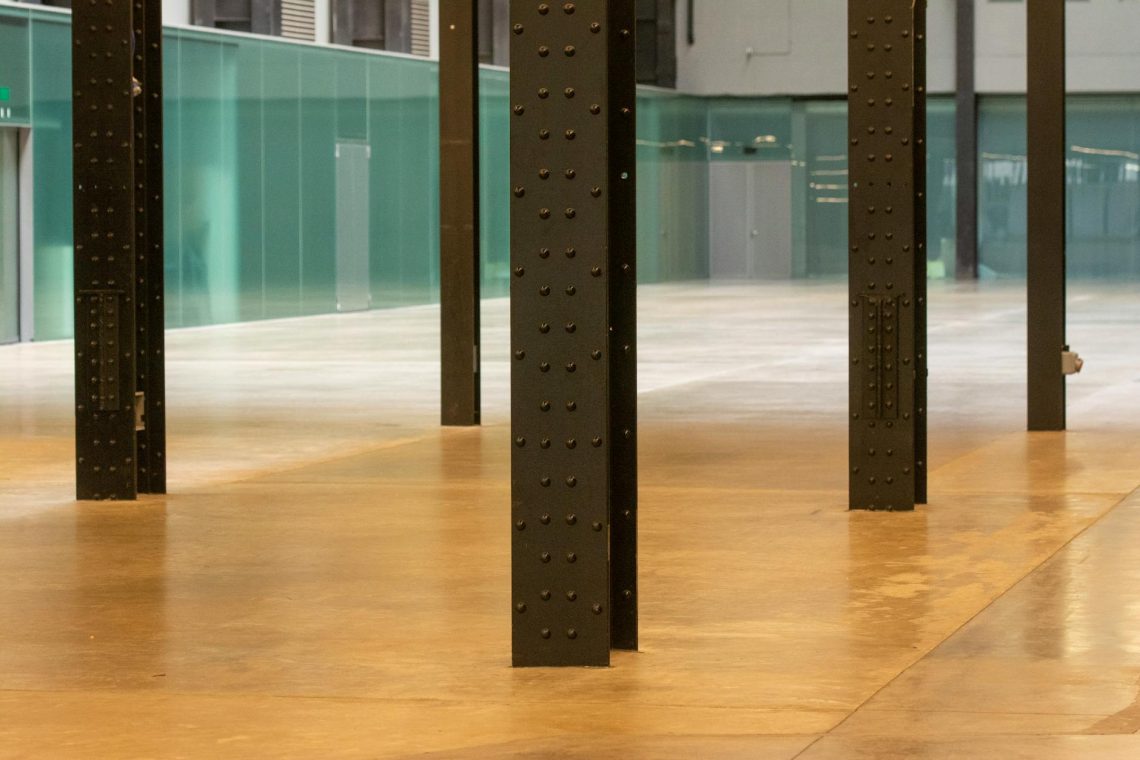
Polished Concrete vs Epoxy Pros and Cons: Best Flooring C…
Imagine standing in a showroom where every light fixture reflects perfectly off a mirror-like surface beneath your feet. It’s striking. This isn’t just about aesthetics: it’s about making a high-stakes decision between two heavyweight champions of modern surfacing. When you evaluate polished concrete floors vs epoxy coating pros and cons, you’re choosing the long-term personality of your facility or home. It’s a choice that dictates your maintenance budget for the next decade. You want it to last. But you also need it to perform under pressure.
Which flooring option offers the best long-term value?
Cost matters. You’ll likely notice that polished concrete represents a smaller initial investment compared to high-build coatings. Basic polishing can sometimes cost half as much as a multi-layer epoxy system. It’s lean. It utilizes the slab you already have without adding thick new materials. You’re paying for labor and diamond-grit tooling rather than expensive resins.
And then there’s the lifecycle cost. Polished concrete rarely needs to be replaced: it only needs occasional re-polishing. It stands up. Epoxy eventually peels or yellows after years of heavy traffic. If you’re looking for the lowest price over twenty years, the polished concrete floors vs epoxy coating pros and cons debate tilts heavily toward the natural stone look. You save on the front end and the back end.
How does durability vary between these two surfaces?
Strength is relative. Epoxy coating is a powerhouse when it involves impact resistance or heavy vibrations. It’s thick. The resin acts as a sacrificial barrier that absorbs the shock of dropped tools or heavy machinery. This makes it a staple for shops where things tend to go bang. You won’t see the concrete underneath crack as easily.
But polished concrete wins on pure hardness. The densification process creates a surface that is incredibly difficult to scratch. It’s dense. While epoxy can be gouged by dragging heavy metal pallets, polished concrete resists those abrasions with ease. It’s a professional-grade finish. Think about your specific environment before you commit to one over the other.
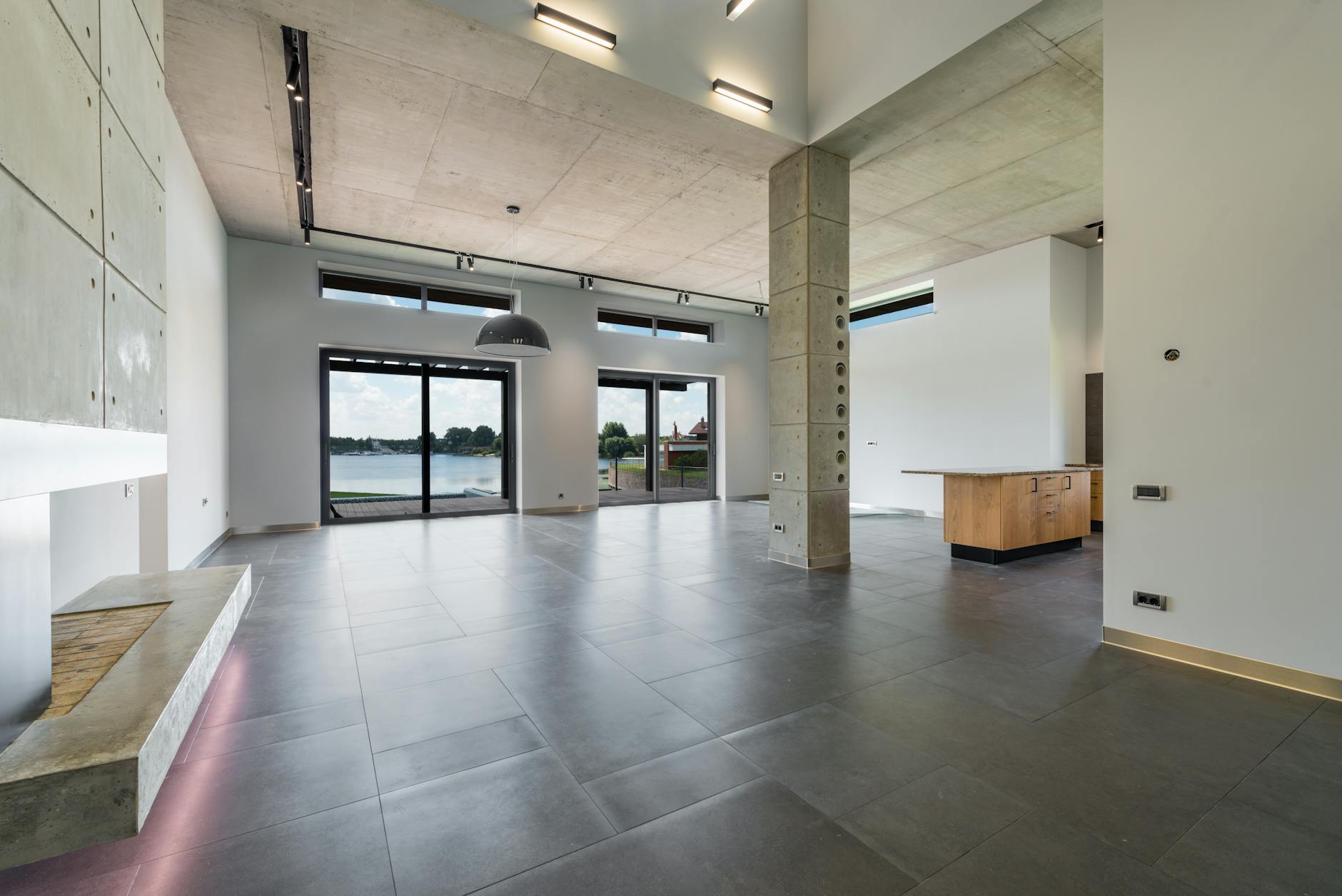
Is chemical resistance a priority for your space?
Spills happen. If you’re managing a garage or an industrial lab, epoxy is your best friend. It’s non-porous. It creates a seamless, liquid-tight seal that prevents oils, acids, and harsh cleaners from reaching the concrete. You can wipe up a puddle of motor oil three hours later without leaving a permanent dark stain.
Polished concrete handles water well, but it has a weakness. It’s breathable. Even with high-quality guards and sealers, acidic liquids like vinegar or citrus can etch the surface if left too long. It’s sensitive. If your floor will face constant chemical exposure, the polished concrete floors vs epoxy coating pros and cons analysis favors the resinous coating. Don’t risk a stained slab if you work with fluids.
How much maintenance are you willing to perform?
Cleaning shouldn’t be a chore. Both floors are leagues better than carpet or tile because they don’t hide dust. They’re hygienic. For a polished surface, you just need a dust mop and an occasional wet loop with a neutral pH cleaner. It’s simple. You don’t have to worry about the finish flaking off into your mop bucket.
Epoxy requires a bit more vigilance. You must keep it free of grit. Because it’s a topical coating, sand and dirt act like sandpaper under foot traffic. It wears. Over time, the gloss might dull in high-traffic walking paths, requiring a fresh topcoat to restore the shine. You’ll spend less time on daily cleaning but more time on long-term refinishing.
Which floor provides better light reflectivity and beauty?
Brightness changes everything. Polished concrete can increase light reflectivity by up to 100 percent. It’s bright. This reduces the need for overhead lighting and can actually lower your energy bills. The look is industrial and chic: showing off the natural aggregate of the stone. It’s authentic.
However, epoxy is the undisputed king of customization. It can increase light reflectivity by a massive 300 percent. It’s brilliant. You can choose any color, add metallic flakes, or even paint safety lines and logos directly into the floor. It’s bold. If your goal is a specific brand aesthetic or a bright white laboratory feel, epoxy is the only way to go.
What are the safety and slip resistance concerns?
Grip is vital. A common misconception is that high-gloss floors are always like ice. They aren’t. When dry, polished concrete often meets or exceeds federal safety standards for slip resistance. It’s grippy. The friction is surprisingly high because of the smoothness of the surface against shoe rubber.
But things change when the floor gets wet. Both surfaces can become hazardous without the right additives. It’s risky. In an epoxy system, you can mix in slip-resistant aggregates like aluminum oxide or glass beads. This provides a sandpaper-like texture that works even in oily conditions. You have more control over the safety profile with a coated system.
How do environmental factors influence your choice?
Sustainability is a major factor for modern builders. Polished concrete is one of the greenest options available. It’s eco-friendly. Since you’re using the existing slab, you aren’t bringing in new raw materials or toxic chemicals. There are no Volatile Organic Compounds (VOCs) to worry about during installation.
Epoxy has come a long way, but it’s still a chemical product. It’s synthetic. While many modern resins are low-VOC or solvent-free, they still involve a chemical reaction during the curing process. And eventually, that material will need to be ground off and replaced. It’s a heavier footprint. For those seeking LEED certification or a minimal environmental impact, the polished concrete floors vs epoxy coating pros and cons comparison favors the polished route.
Choosing the right surface for your facility
Selecting between these two finishes depends entirely on your daily operations. If you want a low-cost, permanent solution for a retail space or a modern home, go with polished concrete. It’s timeless. It’ll stay beautiful with minimal effort for decades. You won’t regret the sophisticated, natural look.
If you need a heavy-duty, chemical-proof floor for a workshop or a high-traffic garage, epoxy is the winner. It’s tough. It protects the structural integrity of your concrete from the harshest environments. Weigh the polished concrete floors vs epoxy coating pros and cons against your specific needs. Your floor is the foundation of your productivity: make sure it’s built to last.
Frequently Asked Questions
Is polished concrete cheaper than epoxy?
Yes, usually. Polished concrete involves fewer materials and lower long-term maintenance costs. It’s affordable. The savings are most noticeable in large industrial or commercial spaces.
Can epoxy be applied over polished concrete?
No, not directly. Polished surfaces are too smooth for epoxy to bond. It’s impossible. You must grind the surface back to a rough profile to ensure the coating sticks properly.
Which floor lasts longer?
Polished concrete generally has a longer lifespan. It’s permanent. While epoxy might need a refresh every five to ten years, a polished floor can last twenty years or more with simple re-polishing.
Are these floors good for residential garages?
Both are popular. Epoxy is better if you do a lot of car repair or work with chemicals. It’s protective. Polished concrete is a great choice if you just want a clean, dust-free space for parking and storage.

You May Also Like

The Heart of YouTube Downloaders

Cincinnati Happy Hour